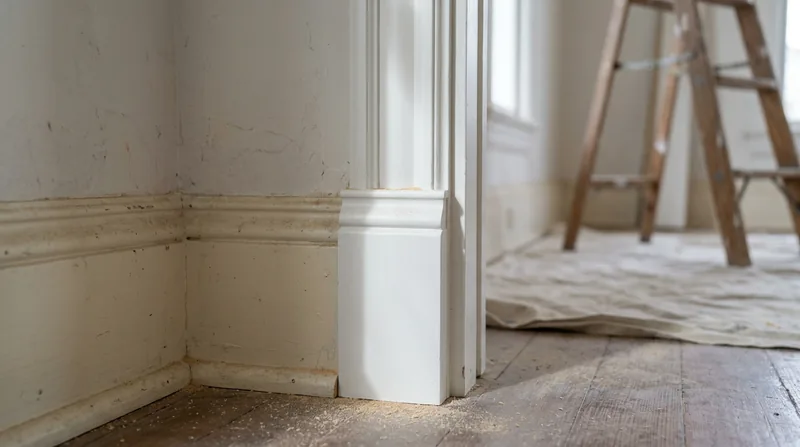




Anaheim's residential neighborhoods span more than a century of building styles, from the original Victorian cottages and Craftsman bungalows of the Anaheim Colony to the sprawling 1950s ranch tracts and hillside custom homes of today. Each era brings its own trim vocabulary and finish details, and each one faces the same problem: sun, wind, moisture, and time. A tight miter, a scribed fit, and consistent reveals are what separate finish and trim carpentry from a handyman's quick patch. We install, repair, and refinish interior casing, crown molding, baseboard, wainscoting, and custom trim throughout Anaheim homes, matching the original character of older properties and meeting the clean-line demands of modern interiors. Whether your home sits in the historic district near downtown or in the canyons of Anaheim Hills, finish carpentry done right is invisible until you notice how well it fits.
Why Finish and Trim Carpentry Matters in Anaheim Homes
Anaheim's older homes, particularly the Craftsman bungalows and Spanish Colonial Revival cottages built between 1880 and 1930, feature original trim and molding that defines their character and value. The post-war ranch and tract homes added their own vocabulary of board-and-batten accents, wide eaves, and integral trim details. Modern renovation and new construction demand the same precision: tight joints, paint-ready surfaces, and finishes that look intentional rather than assembled. Finish carpentry is the difference between a room that looks renovated and one that looks original, or looks finished. Poor trim work telegraphs cost-cutting; good trim work is so natural that most people never consciously see it.
- Interior door casing, window casing, and baseboards set the visual standard for every room in your home.
- Crown molding at the ceiling line adds architectural weight and hides irregular transitions between walls and ceiling.
- Wainscoting and paneling protect walls and create visual interest in kitchens, bathrooms, and dining areas.
- Scribed trim fits tightly against existing walls and built-ins without gaps, even where walls are out of plumb or bowed.
- Coped joints at inside corners create seamless transitions in crown molding and complex trim profiles.
Quality finish carpentry holds value, improves the feel of a room, and prevents the gaps and movement that lead to paint cracks and dust collection over time.
Local example: A 1920s bungalow in the Anaheim Colony often has original Douglas fir trim with hand-planed reveals and simple square-edge casings. Matching that character during a kitchen or bathroom renovation means sourcing compatible wood species, milling trim to the original profile, and fitting it with the same precision the original carpenter used over a century ago.
For more on how trim integrates with structural repairs, see our guide to wood rot and dry rot repair, which often uncovers hidden trim damage that must be addressed during restoration.
How We Install and Repair Finish Trim in Anaheim
Finish carpentry begins with measurement, milling, and dry-fitting. We take the time to understand the room's geometry, identify out-of-plumb walls, and plan trim runs that look straight and intentional even when the house is not. We source wood that matches the existing species and grain direction, mill custom profiles when originals are no longer standard, and cut joints by hand or machine with the precision that allows paint or stain to flow evenly across every surface. Installation means fastening trim so it stays tight, filling nail holes with wood filler that accepts finish, and leaving surfaces ready for paint or stain.
- We measure each room and plan trim runs, accounting for door openings, window returns, and inside and outside corners.
- We select or mill trim stock to match the original profile, species, and grain character of your home.
- We cut all joints, including miters, coped joints, and scribed fits, using hand tools and power equipment as the job demands.
- We install trim with finish nails or pocket screws, ensuring tight joints and consistent reveals throughout each room.
- We fill fastener holes and sand surfaces smooth, leaving everything ready for paint, stain, or varnish.
This methodical approach means your trim looks intentional, fits tightly, and lasts as long as the house itself.
Anaheim example: A 1970s hillside home in Anaheim Hills with a kitchen renovation needed new crown molding, base trim, and interior door casings. The original trim was 2.25-inch colonial profile in Douglas fir. We matched the species and profile, installed it with consistent 1.25-inch reveals at the ceiling and floor, and coped all inside corners so the molding reads as a continuous line around the room, even where walls meet at angles.
Related work often includes interior door installation and repair, where casing and jamb details must align with the trim plan for the whole house.
Finish Carpentry Methods and Materials
| Approach | Description | Best For |
|---|---|---|
| Miter Joints | 45-degree cuts that meet at corners, creating a continuous line in the profile across the joint. | Outside corners in crown molding and complex trim profiles where the profile must flow visually. |
| Coped Joints | One piece is cut to follow the profile of the adjoining piece, creating an interlocking fit that closes tightly as wood moves. | Inside corners in crown molding, baseboards, and complex profiles where seasonal wood movement is expected. |
| Scribed Trim | Trim is fitted to the contours of existing walls, cabinets, or built-ins using a scribe tool to trace and cut the exact profile. | Baseboards against wavy plaster walls, crown molding where ceiling or wall planes are out of plumb, trim around built-ins. |
| Custom Milling | Trim profiles are cut on a shaper or molder to match original designs, or to create new profiles in species that match your home. | Restoration of homes with non-standard or original profiles, or new work where standard trim does not fit the design intent. |
| Hand-Planed Details | Reveals, chamfers, and edge details are planed by hand to match the character of original carpentry. | Historic Craftsman and Victorian homes where the hand-finished quality of original work is part of the home's character. |
Finish and Trim Carpentry Cost in Anaheim: What to Expect
Finish carpentry pricing depends on the scope, complexity, and materials involved. A simple room with standard trim runs and straightforward corners costs less than a home with custom profiles, scribed fits, and complex millwork. Wood species, whether you choose paint-grade pine or stain-grade hardwood, affects material cost. The condition of the walls and existing trim, and whether you are starting from scratch or replacing damaged original work, also shapes the final estimate. We recommend getting 2 to 3 estimates so you understand what is included at each price point and which contractor's approach best matches your home's character and your budget.
For a detailed breakdown of pricing across our service menu, visit our full pricing overview. A free, no-obligation estimate is the best way to understand what your specific project will cost. Call us at (714) 683-2810 and describe your room, the trim style you want, and whether you are working with an existing design or starting fresh.
What to Look for When Hiring a Finish Carpentry Contractor Near Anaheim
A good finish carpenter is detail-oriented, patient, and willing to explain the difference between quick and right. Ask to see examples of past work, particularly trim installations in homes similar to yours. Verify that the contractor is fully insured and carries general liability coverage. Get multiple estimates so you understand what each contractor includes and how they approach the challenges in your home. For work involving structural changes or load-bearing elements, confirm that a licensed structural engineer has reviewed the plan if required by your local building department. Ask about the timeline, how the contractor handles changes, and whether they stand behind their work with a warranty.
We invite you to contact us for a free estimate and ask any questions about our approach, our experience with homes like yours, and how we handle the details that make finish carpentry worth doing right. We are based in Anaheim and serve the entire region, including Fullerton, Orange, Garden Grove, Santa Ana, Buena Park, Placentia, Yorba Linda, Brea, Tustin, Cypress, Westminster, Costa Mesa, Irvine, Huntington Beach, and La Habra.
Finish & Trim Carpentry in Anaheim: Pricing Guide
| Service | Price | Details |
|---|---|---|
| Interior Casing and Baseboard | Starting at $550 | Single room installation with standard trim profile, mitered corners, fastener fill, and surface prep for finish |
| Crown Molding Installation | Starting at $750 | Per room with coped inside corners, mitered returns, and consistent reveals, includes fastener fill and sanding |
| Custom Scribed Trim or Wainscoting | Starting at $1,200 | Fit to existing walls or built-ins, scribed profile traced and cut to match contours, installation and finish prep |
| Custom Milling or Complex Millwork | On estimate | Original profile reproduction, multi-room installations, or architectural details require on-site measurement and quote |
| Travel | Included | No separate charge for calls within Anaheim and surrounding Orange County service areas |
| Free Estimate | No charge | Response within 24 hours, (714) 683-2810, site visit included, no obligation to book |
Indicative pricing, the exact cost depends on square footage, finish, and site access. Free personalized estimate within 24h at (714) 683-2810.


