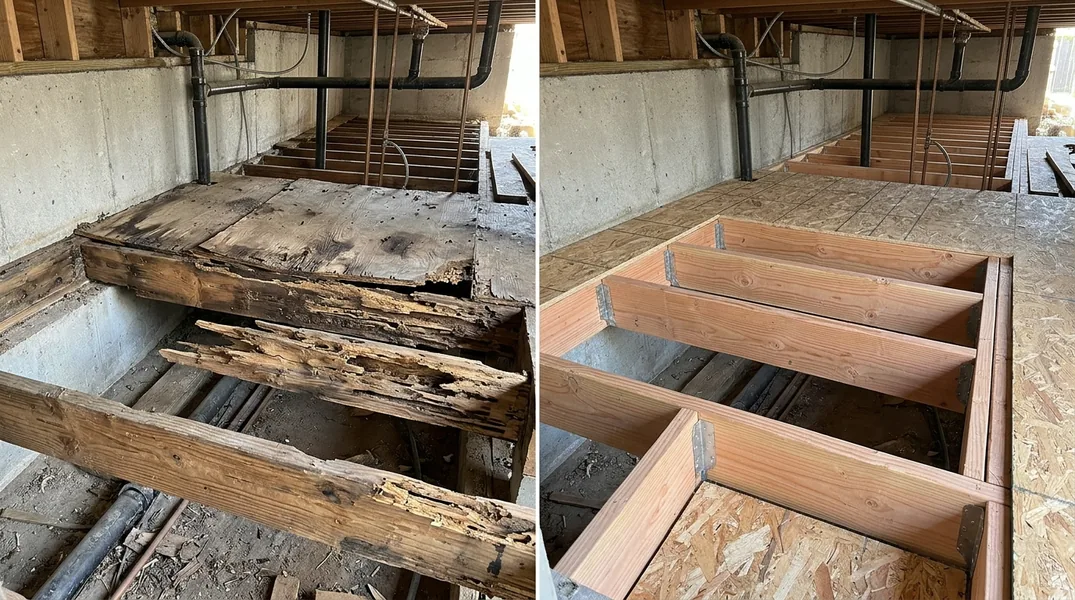
Drywood vs Subterranean Termites: What's the Difference?
If you've noticed damage to the wood in your Anaheim home, you might be wondering whether you're dealing with drywood or subterranean termites. Both species can cause serious structural damage, but they behave very differently and require different treatment approaches. Understanding which type of termite is infesting your home is the first step toward protecting your property and avoiding costly repairs down the road.
Subterranean termites are the most common and destructive species in California. These termites live in the soil and build mud tubes to travel between the ground and your home's wood structures. They need moisture to survive and typically enter homes through foundation cracks or areas in contact with damp soil. Drywood termites, by contrast, live directly inside the wood they consume. They don't need soil contact and can infest wood anywhere in your home, from attic framing to interior wall studs. Both types feed on cellulose, but their nesting habits and damage patterns are distinctly different.
Identifying Termite Frass: A Key Sign of Infestation
One of the most reliable ways to determine what type of termites you have is to look for termite frass, which is the term for termite droppings. Termite frass is often one of the first visible signs of termite damage in wood, and it looks different depending on the species. For drywood termites, the frass appears as small, pellet-like droppings that accumulate in piles below infested wood. These pellets are typically tan, brown, or reddish in color and resemble fine sawdust or sand. Homeowners often notice these piles near window sills, door frames, or other areas where drywood termites are actively feeding.
Subterranean termites produce a different type of frass that is usually wet and muddy because it contains soil particles. However, subterranean termites are often less obvious about their droppings because they seal their galleries and mud tubes, keeping the interior of the wood hidden. Instead of finding frass piles, you may notice mud tubes running along your foundation or basement walls. These tubes are constructed from soil, saliva, and feces, and they serve as protective highways for termites traveling between the soil and your home's wooden structures. If you spot either type of frass or suspect termite activity, contact Anaheim Carpentry at (714) 683-2810 for a professional inspection.
Signs of Termite Damage in Wood: What to Look For
Knowing the signs of termite damage in wood can help you catch an infestation early and prevent extensive structural damage. Drywood termite damage typically appears as long galleries or tunnels inside the wood, running parallel to the grain. The wood may sound hollow when tapped, and you might notice small exit holes on the surface where termites have chewed through to create new tunnels. These exit holes are often accompanied by piles of frass, as mentioned earlier. In severe cases, the wood can become so weakened that it crumbles easily when pressure is applied.
Subterranean termite damage follows a different pattern. These termites eat wood from the inside out, leaving a thin outer shell that may look intact from the outside. This means you can have significant structural damage hidden beneath a seemingly normal surface. The wood often becomes soft, spongy, or stringy, and it may feel damp. Subterranean termites also create visible mud tubes along foundation walls, basement posts, or crawl spaces. If you notice any combination of these signs in your Anaheim home, the wood damage may require professional assessment and repair. Termite Damage Repair should be handled promptly to prevent the infestation from spreading.
Dry Rot vs Termite Damage: How to Tell Them Apart
Homeowners sometimes confuse termite damage with dry rot, even though they are caused by completely different organisms. Dry rot is a fungal decay that occurs in wood with high moisture content, despite its misleading name. It typically appears as wood that has become soft, crumbly, and discolored, often with visible cracks running across the grain in a cube-like pattern. Dry rot spreads through fungal spores and requires consistently damp conditions to develop. Unlike termite damage, dry rot does not involve insects and does not produce frass or tunnels.
Termite damage, whether from drywood or subterranean species, always involves the physical removal of wood by living insects. The damage patterns are different from dry rot, with clear tunnels or galleries and often visible insect activity or frass. However, the two problems can occur simultaneously in the same home, especially in areas with poor drainage or moisture control. Wood Rot & Dry Rot Repair and termite damage repair require different treatment strategies, so accurate identification is essential. If you're unsure which type of damage you're dealing with, a professional inspection can provide clarity and recommend the appropriate solution.
When to Call a Professional for Termite Damage Repair Near Me
While some minor wood damage can be addressed by homeowners, termite infestations and structural damage require professional expertise. If you suspect termites in your home, the first step is to contact a pest control professional to confirm the infestation and recommend treatment. Once the termites have been eliminated, the damaged wood must be assessed and repaired by a skilled carpenter. Depending on the extent of the damage, repairs may range from simple patching to complete structural replacement of beams, joists, or framing.
At Anaheim Carpentry, we specialize in Termite Damage Repair and can address structural issues caused by both drywood and subterranean termites. If the damage affects load-bearing elements like floor joists or support beams, we offer Floor Joist & Subfloor Repair and Beam Replacement & Load-Bearing Wall Removal services to restore your home's structural integrity. Don't wait until termite damage becomes a safety hazard. Contact us today at (714) 683-2810 to schedule your free estimate.
Termite Prevention Tips for Anaheim Homeowners
Preventing termite infestations is far more cost-effective than dealing with the damage after an infestation has taken hold. For subterranean termites, the most important step is moisture control. Keep gutters clean and ensure proper drainage away from your foundation. Fix any leaks in plumbing or HVAC systems, and maintain proper ventilation in crawl spaces and basements. Avoid storing firewood, mulch, or other cellulose materials directly against your home's exterior. Subterranean termites need a path from the soil to your home's wood, so eliminating these connections is critical.
Drywood termite prevention focuses on reducing wood moisture and sealing entry points. Maintain good air circulation in attics and enclosed spaces, and address any water leaks immediately. Inspect wooden structures regularly for signs of termite activity, including frass piles and small exit holes. While these preventive measures can reduce your risk, many Anaheim homeowners choose to have annual professional termite inspections as part of their home maintenance routine. Early detection can save thousands of dollars in repair costs and prevent serious structural damage that could affect your home's safety and value.
Looking for a professional carpentry contractor in Anaheim? Anaheim Carpentry responds fast for all your carpentry needs.
Get a Free QuoteOur services: Wood Rot & Dry Rot Repair · Termite Damage Repair · Floor Joist & Subfloor Repair