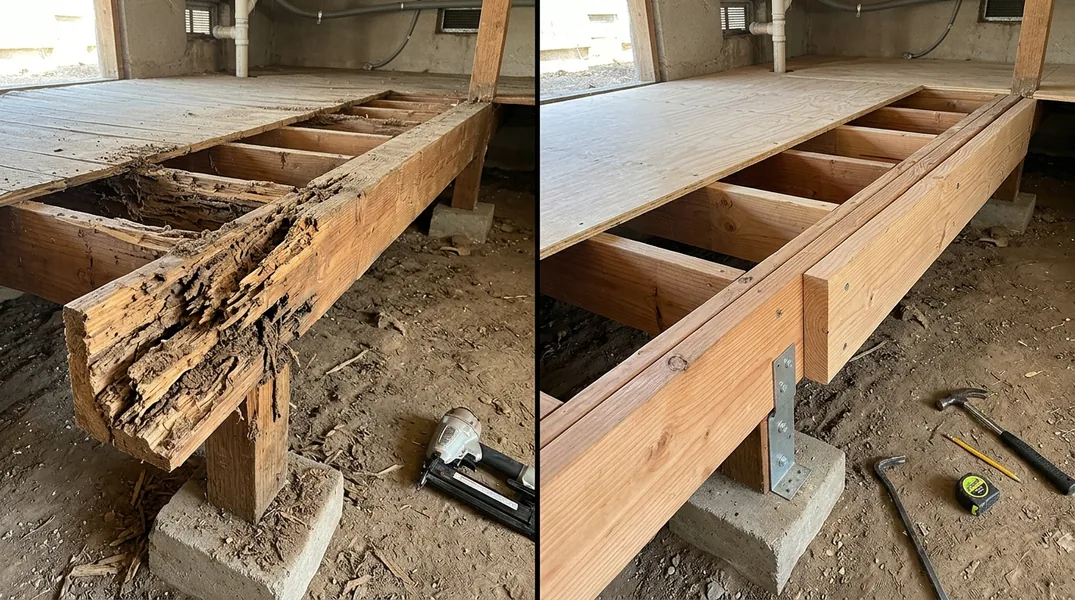
Is Termite Damage Covered by Homeowners Insurance?
If you're a homeowner in Anaheim, the answer to this question is likely disappointing: no, termite damage is almost never covered by standard homeowners insurance policies. This exclusion applies across nearly all major insurers and policy types, making it one of the most misunderstood gaps in residential coverage. The reason is straightforward: insurance companies view termite damage as a preventable problem that results from lack of maintenance rather than an unexpected event.
Standard homeowners insurance is designed to cover sudden, accidental damage to your home. Termites, however, cause gradual structural damage over months or even years. From the insurance industry's perspective, a homeowner should have detected and prevented the infestation long before significant damage occurred. This distinction between sudden loss and gradual deterioration is why termite damage insurance claims are routinely denied. Understanding this gap in coverage is the first step toward protecting your investment and avoiding catastrophic repair costs down the road.
Why Insurance Companies Exclude Termite Damage
The exclusion of termite damage from homeowners insurance policies stems from how insurance works fundamentally. Insurers cover sudden, accidental events like fire, theft, or weather damage. Termite infestations are not sudden in nature. They develop slowly, often invisibly, giving homeowners time to detect and address them through regular inspections and preventive pest control. Insurance companies argue that a homeowner who maintains their property and schedules annual termite inspections should catch an infestation before it causes structural failure.
Additionally, termite damage is considered a maintenance issue rather than a covered peril. Just as insurance won't pay for rot caused by a leaky roof you failed to repair, it won't cover structural damage from pests you didn't prevent. The burden of responsibility falls on the homeowner to maintain their property in good condition. This is why many insurers recommend annual termite inspections as part of responsible home ownership. If you've neglected pest control and an infestation goes undetected for years, resulting in damage to your home's foundation, framing, or support structures, you'll likely be responsible for all repair costs out of pocket.
What Types of Damage Might Be Partially Covered
While termite damage itself is excluded, there are narrow situations where your homeowners insurance might cover related damage. For example, if termites cause a structural failure that leads to a roof collapse or water intrusion, the resulting water damage might be covered under certain policies. However, the insurer will typically exclude the termite damage itself and only cover the secondary damage caused by the structural failure. This distinction is important but often provides little relief, since the underlying termite problem must still be addressed at your expense.
Another scenario involves Wood Rot & Dry Rot Repair caused by moisture problems unrelated to termites. If wood rot develops because of a plumbing leak or roof failure, your policy might cover repairs to the damaged wood itself, provided you report the water damage promptly. The key is demonstrating that the rot resulted from a covered peril (water intrusion) rather than from pest damage or simple neglect. Always review your specific policy language and contact your insurer directly if you're unsure whether secondary damage might be covered.
How to Detect Termite Damage Before It Becomes Catastrophic
Since you can't rely on insurance to cover termite damage, prevention and early detection are your best defenses. Regular inspections are the most effective way to catch termite activity before it causes serious structural problems. Look for signs like mud tubes along your foundation, hollow-sounding wood, or small holes in wooden surfaces. Termites often work inside wood, so the damage may not be visible on the surface. If you notice any of these warning signs in your Anaheim home, contact a pest control professional immediately for a thorough inspection.
Beyond visual inspection, consider scheduling annual professional termite inspections. A trained pest control inspector can identify early infestations that you might miss. They'll also recommend preventive treatments to reduce your risk. Additionally, maintain proper drainage around your home's foundation, keep wood mulch and debris away from your house, and ensure your crawl space is well-ventilated. These simple steps reduce the conditions termites need to thrive. If you discover an infestation, act quickly to minimize damage. The longer termites feed on your home's structure, the more expensive repairs become.
What to Do If You Discover Termite Damage
If you discover termite damage in your home, your first step should be contacting a pest control company to eliminate the infestation. Once the termites are gone, you'll need to assess the structural damage. This is where professional carpentry expertise becomes essential. Depending on the extent of damage, you may need Termite Damage Repair, Floor Joist & Subfloor Repair, or even Beam Replacement & Load-Bearing Wall Removal if structural support has been compromised.
Before you begin repairs, document everything with photographs and written notes. If there's any possibility your homeowners insurance might cover secondary damage, you'll want a clear record of what occurred. Get written estimates from qualified contractors for all necessary repairs. This documentation will be important for your records and for any insurance claim discussions. Anaheim Carpentry can provide a detailed assessment and free estimate of repair costs. Call us at (714) 683-2810 to discuss your situation and learn what repairs your home needs to restore structural integrity.
Protecting Your Home: Insurance and Prevention Strategies
Since standard homeowners insurance won't cover termite damage, your best strategy is prevention combined with smart insurance planning. First, maintain a strong preventive pest control program. Many pest control companies offer annual or quarterly treatments to protect your home. While these services have a cost, they're far less expensive than repairing major structural damage. Second, ask your insurance agent about coverage options that might apply to your situation. Some policies offer optional riders or endorsements that could provide limited protection for pest damage, though these are uncommon.
Third, maintain detailed records of all pest control treatments and inspections. If you ever need to file a claim for secondary damage, documentation of your preventive efforts strengthens your case. Finally, don't delay addressing water intrusion or moisture problems, as these create ideal conditions for both termites and wood rot. Regular home maintenance, including gutter cleaning, proper grading around your foundation, and prompt repair of leaks, is your best insurance against costly pest and moisture damage. If you're concerned about existing damage or need guidance on repairs, contact Anaheim Carpentry for a professional inspection and repair estimate.
Looking for a professional carpentry contractor in Anaheim? Anaheim Carpentry responds fast for all your carpentry needs.
Get a Free QuoteOur services: Wood Rot & Dry Rot Repair · Termite Damage Repair · Floor Joist & Subfloor Repair