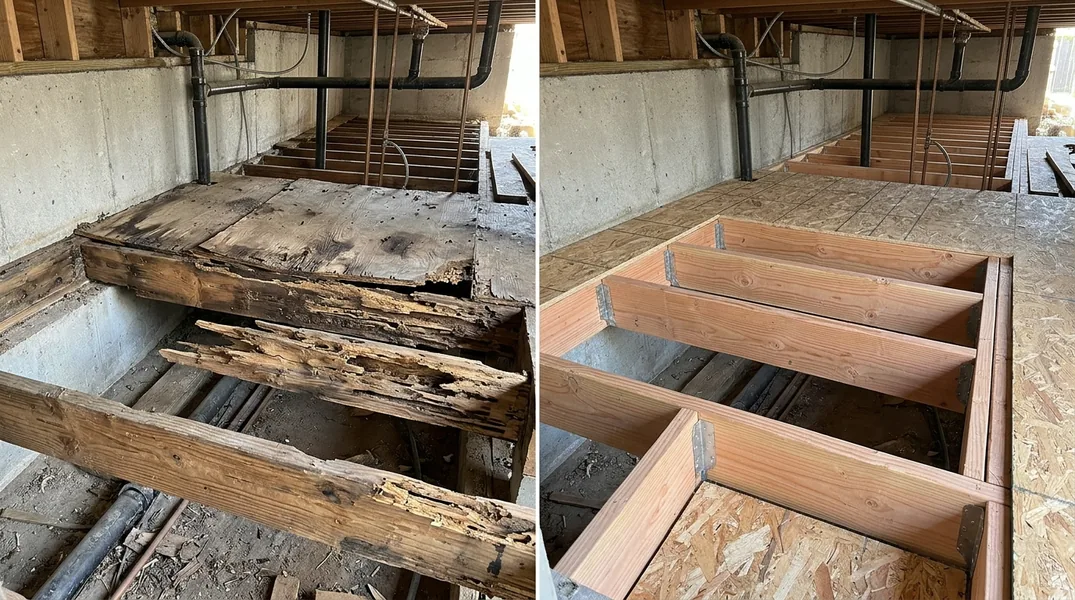
The Perfect Storm: Why Southern California Weather Attacks Your Fascia and Trim
If you own a home in Anaheim, you know that our Southern California climate is a mixed blessing. While we enjoy year-round sunshine and mild winters, that same sun exposure, combined with Santa Ana winds and automated irrigation systems, creates a perfect storm for wood damage. Your fascia boards and trim bear the brunt of this assault, and many homeowners don't realize how quickly these exterior wood elements deteriorate until the damage becomes severe.
Fascia is the horizontal board that runs along the edge of your roof, connecting to your gutters and soffit. Trim pieces frame windows, doors, and corners throughout your home's exterior. These components are constantly exposed to the elements, and in Anaheim's unique climate, they face three major threats that work together to break down wood fibers and create conditions perfect for rot. Understanding these threats is the first step toward protecting your investment.
Sun Damaged Wood Trim: How Intense UV Rays Break Down Your Exterior
Southern California receives an average of 260+ sunny days per year, and that relentless UV exposure is one of the primary culprits behind sun damaged wood trim. Unlike wood rot that develops from moisture, UV damage works differently. The sun's ultraviolet rays penetrate the wood's surface and break down the lignin and cellulose that hold the wood fibers together. This process is called photodegradation, and it causes wood to become brittle, discolored, and prone to cracking over time.
When wood cracks and splinters from UV exposure, it creates entry points for moisture and wood-destroying organisms. Paint and stain finishes provide some protection, but they also degrade under constant sun exposure. Most exterior wood finishes in our climate need refreshing every 3 to 5 years, yet many homeowners extend that timeline without realizing they're leaving their fascia and trim vulnerable. The damage starts small with fading and minor checking, but within a few seasons, deep cracks develop that allow water to penetrate behind the paint layer, leading to more serious problems like Wood Rot & Dry Rot Repair needs.
Santa Ana Winds and Moisture Intrusion: The Hidden Damage Factor
Santa Ana winds are famous in Southern California for their intensity and drying effect, but what many homeowners don't understand is how these winds contribute to moisture problems. During Santa Ana season (typically fall and winter), winds can exceed 40 mph and push moisture-laden air into every crack and gap in your home's exterior. Even more problematic, these winds can drive rain horizontally during storm events, forcing water behind fascia boards and into soffit areas where it becomes trapped.
Once moisture gets behind your fascia or trim, it has nowhere to go. The wood becomes saturated, and the constant cycle of wetting and drying accelerates decay. This is particularly true for soffit areas, which are often poorly ventilated and prone to moisture accumulation. If you're noticing soft spots, discoloration, or a spongy feeling when you press on your fascia or soffit, moisture intrusion has likely already begun. This is when Anaheim homeowners should consider professional Wood Rot & Dry Rot Repair services before the damage spreads to structural components like your roof framing.
Sprinkler Water Damage Siding: Why Your Irrigation System Is Harming Your Home
Many homeowners are surprised to learn that their own sprinkler systems are a leading cause of fascia and trim damage in Southern California. Automatic irrigation systems are designed to keep your landscaping healthy, but when sprinklers are positioned too close to the house or angled incorrectly, they spray water directly onto your siding, fascia, and foundation. This constant, repeated moisture exposure is devastating for wood trim, especially on the lower portions of your home where spray tends to accumulate.
Sprinkler water damage siding occurs because the water keeps the wood perpetually damp. Unlike occasional rain that dries relatively quickly in our sun-baked climate, sprinkler water creates sustained moisture conditions that are ideal for wood rot fungi and dry rot to establish themselves. The problem compounds if your sprinkler system runs during cooler evening or early morning hours, because the wood doesn't dry out quickly. Over weeks and months, this constant moisture causes the wood to soften, discolor, and eventually rot. Check your sprinkler positioning during your next watering cycle. If spray is hitting your home's exterior, adjust the sprinkler heads or install barriers to redirect the water away from wood surfaces.
Fascia Board Repair and Soffit Repair Southern California: When Professional Help Is Needed
Recognizing when you need professional fascia board repair and soffit repair Southern California services is crucial for preventing costly structural damage. Early warning signs include peeling or bubbling paint on fascia boards, visible cracks or splits in trim pieces, soft or spongy wood that yields to pressure, discoloration or dark staining (which often indicates moisture or early rot), and visible gaps between fascia and the roof line. If you notice any of these signs, the damage has likely progressed beyond simple cosmetic issues.
A professional carpenter can assess the extent of the damage and determine whether boards need repair or complete replacement. In some cases, only the damaged section requires replacement, which is a more economical solution. However, if rot has penetrated deeply into the wood or spread to multiple areas, full board replacement is the better long-term investment. Anaheim Carpentry specializes in identifying hidden damage that homeowners often miss. We inspect not just the visible surface, but also check behind gutters, under eaves, and in soffit areas where damage frequently hides. If you're concerned about your fascia or trim, reach out for a free estimate and let our experienced team evaluate your specific situation.
Prevention and Maintenance: Protecting Your Fascia and Trim Year-Round
The best defense against fascia and trim damage is a proactive maintenance strategy tailored to Southern California's climate. Start by inspecting your fascia, soffit, and trim at least twice per year, ideally in spring and fall. Look for the warning signs mentioned earlier, and address small issues before they become expensive repairs. Keep your gutters clean and functioning properly, because clogged gutters cause water to back up and saturate fascia boards. Ensure your downspouts direct water at least 4 to 6 feet away from your foundation and siding.
Maintain your exterior finish by repainting or restaining fascia and trim every 3 to 5 years, depending on sun exposure and weather conditions. This protective layer is your first line of defense against UV damage and moisture intrusion. Adjust your sprinkler system to prevent water from spraying on your home's exterior. Consider installing drip irrigation or soaker hoses in planting beds close to your house, which deliver water directly to the soil rather than spraying it onto your siding. Finally, trim tree branches that hang over your roof, as they can trap moisture and debris in gutter and soffit areas. If you're unsure about the condition of your fascia, soffit, or trim, don't wait for problems to worsen. Contact Anaheim Carpentry at (714) 683-2810 to schedule a professional inspection and discuss your maintenance options.
Looking for a professional carpentry contractor in Anaheim? Anaheim Carpentry responds fast for all your carpentry needs.
Get a Free QuoteOur services: Wood Rot & Dry Rot Repair · Termite Damage Repair · Floor Joist & Subfloor Repair