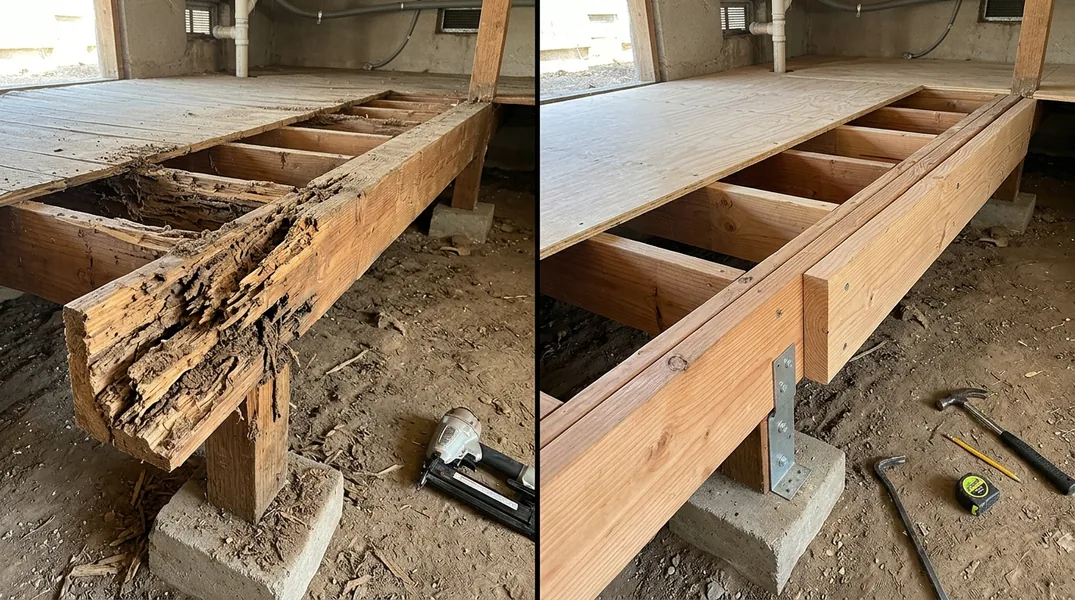
Why Anaheim's Climate Creates the Perfect Storm for Wood Damage
Anaheim homeowners face a unique challenge when it comes to protecting their properties from wood-destroying pests and decay. The combination of our warm, dry climate and occasional moisture from winter rains creates ideal conditions for both termites and wood rot to thrive. Unlike colder regions where freezing temperatures naturally suppress termite colonies, Southern California's year-round warmth means termite activity never truly stops. This extended feeding season puts Anaheim homes at significantly higher risk than properties in other parts of the country.
Wood rot, meanwhile, develops when wood is exposed to moisture and lacks proper ventilation. Many Anaheim homes built decades ago were constructed without modern moisture barriers and drainage systems. When winter rains arrive or when air conditioning condensation builds up in crawl spaces, the wood begins to absorb moisture. Over time, this moisture activates fungal spores that break down the cellulose in wood fibers, causing structural weakness. The problem compounds when termites are present, as they create tunnels that allow even more moisture penetration into the wood.
Signs of Drywood Termites: What Anaheim Homeowners Should Know
Understanding the signs of drywood termites is critical because early detection can save thousands in repair costs. Unlike subterranean termites that build visible mud tubes, drywood termites work silently inside the wood itself. One of the most telling signs is the presence of frass, which is termite droppings that look like tiny pellets of sawdust. You may find these small piles near baseboards, inside closets, or beneath wooden beams. Another warning sign is hollow-sounding wood when tapped with a hammer or screwdriver. If a structural beam or floor joist sounds papery and weak when struck, termites have likely already caused significant internal damage.
Visible damage patterns also offer clues. Termites create galleries or tunnels within the wood that follow the grain pattern, leaving a honeycomb-like appearance when exposed. You might notice blistering paint on wooden surfaces, which occurs when termites tunnel just beneath the paint layer. Swarmers, or winged termites, may appear in your home during spring and early summer as they search for new wood to colonize. If you spot winged insects emerging from cracks in wood or near light sources, this is a strong indicator of an active infestation. The sooner you recognize these signs of drywood termites, the sooner you can arrange professional assessment and treatment.
Wood Rot Repair Near Me: When Professional Help Becomes Necessary
Many homeowners initially try to handle minor wood damage themselves, but Wood Rot & Dry Rot Repair requires specialized knowledge and equipment. Dry rot, in particular, spreads quickly and can travel through masonry and concrete, making it far more dangerous than wet rot. If you notice soft, crumbly wood that feels spongy to the touch, or if wood is visibly discolored with a dark brown or grayish appearance, professional intervention is essential. The fungal spores responsible for dry rot can remain dormant in wood for years, then suddenly activate when conditions become favorable. This means a small patch of rot you ignore today could become a major structural problem within months.
Wood Rot & Dry Rot Repair specialists have the diagnostic tools to determine the extent of damage hidden beneath paint, siding, and interior walls. They can identify the moisture source causing the problem, recommend repairs to eliminate future risk, and safely remove and replace compromised wood. Attempting DIY repairs on structural elements like Floor Joist & Subfloor Repair without proper assessment can leave your home unsafe. A professional inspection gives you peace of mind and a clear roadmap for restoration.
Termite Damage Repair Cost in Anaheim: What to Budget
The pricing for Termite Damage Repair varies widely depending on the severity of infestation and the extent of structural damage. Minor infestations caught early might require targeted treatment and repair of a few affected boards, potentially costing between $500 and $2,000. However, termites discovered in advanced stages of colonization can damage load-bearing beams, floor joists, and wall framing, pushing repair costs into the $5,000 to $15,000 range or higher. Some homes with extensive termite damage may require Beam Replacement & Load-Bearing Wall Removal, which represents a significant investment but is necessary for safety.
Several factors influence the final cost. The location of the damage matters significantly; termites in attic framing are generally less expensive to address than those in foundation-level framing or crawl spaces. The type of wood and the structural importance of affected members also affect pricing. Additionally, if moisture issues or wood rot are present alongside termite damage, comprehensive repairs will be more costly. Rather than guessing at expenses, homeowners should request a detailed inspection and free estimate from a qualified contractor. This allows you to understand the true scope of the problem and plan your budget accordingly. Delaying repairs typically increases costs, as damage compounds over time.
Prevention Strategies for Anaheim Homeowners
The most cost-effective approach to wood damage is prevention. Start by addressing moisture sources in and around your home. Ensure gutters and downspouts direct water at least six feet away from the foundation. Maintain proper grading around your home so water slopes away rather than pooling near the base. Inside, keep crawl spaces well-ventilated and consider installing a moisture barrier if one does not already exist. Fix leaky plumbing promptly, and use exhaust fans in bathrooms and kitchens to reduce humidity. These simple steps eliminate the moist conditions that both termites and wood rot fungi require to flourish.
Regular inspections are equally important. Walk the perimeter of your home quarterly, looking for mud tubes on foundation walls or signs of termite activity. Check wooden elements in attics, basements, and crawl spaces for soft spots or frass. Pay attention to areas where wood contacts soil or concrete, as these are termite entry points. If you notice any warning signs, contact a professional immediately. Many pest control companies offer annual inspections as part of preventive programs, and some provide wood damage warranties. By staying vigilant and addressing problems early, you can protect your home's structural integrity and avoid the substantial costs associated with advanced infestations.
Getting Professional Help: Your Next Steps
If you suspect termite damage or wood rot in your Anaheim home, the time to act is now. Waiting allows damage to spread and costs to escalate. Anaheim Carpentry specializes in identifying and repairing all types of wood damage, from minor rot patches to major structural restoration. Our team brings decades of experience working with Orange County homes and understands the specific challenges that properties in this region face. We use industry-standard inspection techniques and provide honest assessments so you know exactly what needs to be done.
Contact Anaheim Carpentry today at (714) 683-2810 to schedule your inspection, or visit our website at https://anaheim-carpentry.com to request a free estimate. During your consultation, we will thoroughly examine the affected areas, discuss treatment options, explain what caused the damage, and provide recommendations to prevent future problems. Whether you need termite damage repair, wood rot treatment, or structural reinforcement, our team is ready to restore your home to safe, solid condition. Don't let wood damage compromise your family's safety or your property's value. Reach out to us today.
Looking for a professional carpentry contractor in Anaheim? Anaheim Carpentry responds fast for all your carpentry needs.
Get a Free QuoteOur services: Wood Rot & Dry Rot Repair · Termite Damage Repair · Floor Joist & Subfloor Repair